BlocksPieces of a page, ready to place.
A block is a reusable piece of a page: an opening, a pricing grid, a form, a footer. It carries its structure, its texts and its stylesheet, and reads the brand kit of the project it sits in. Some act: a cart, a booking, a table you can filter.
Updated on
On this page3 sections
What makes a block, rendered live.
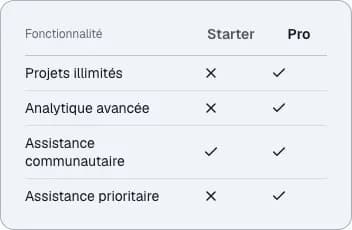
A pricing card from the library, as a site shows it. Next to it, what it carries: its text slots, each with its type and maximum length, and the primitives it is made of.
Pro
For growing teams that ship fast.
- Unlimited projects
- Advanced analytics
- Priority support
- 50 GB storage
Its 10 texts
badgeNotePopular22titleTitlePro12descriptionBodyFor growing teams that ship fast.174priceValuePrice$296pricePeriodNote/ month17feature1LabelUnlimited projects35feature2LabelAdvanced analytics35feature3LabelPriority support35feature4Label50 GB storage35ctaButtonGet started33Its 19 nodes
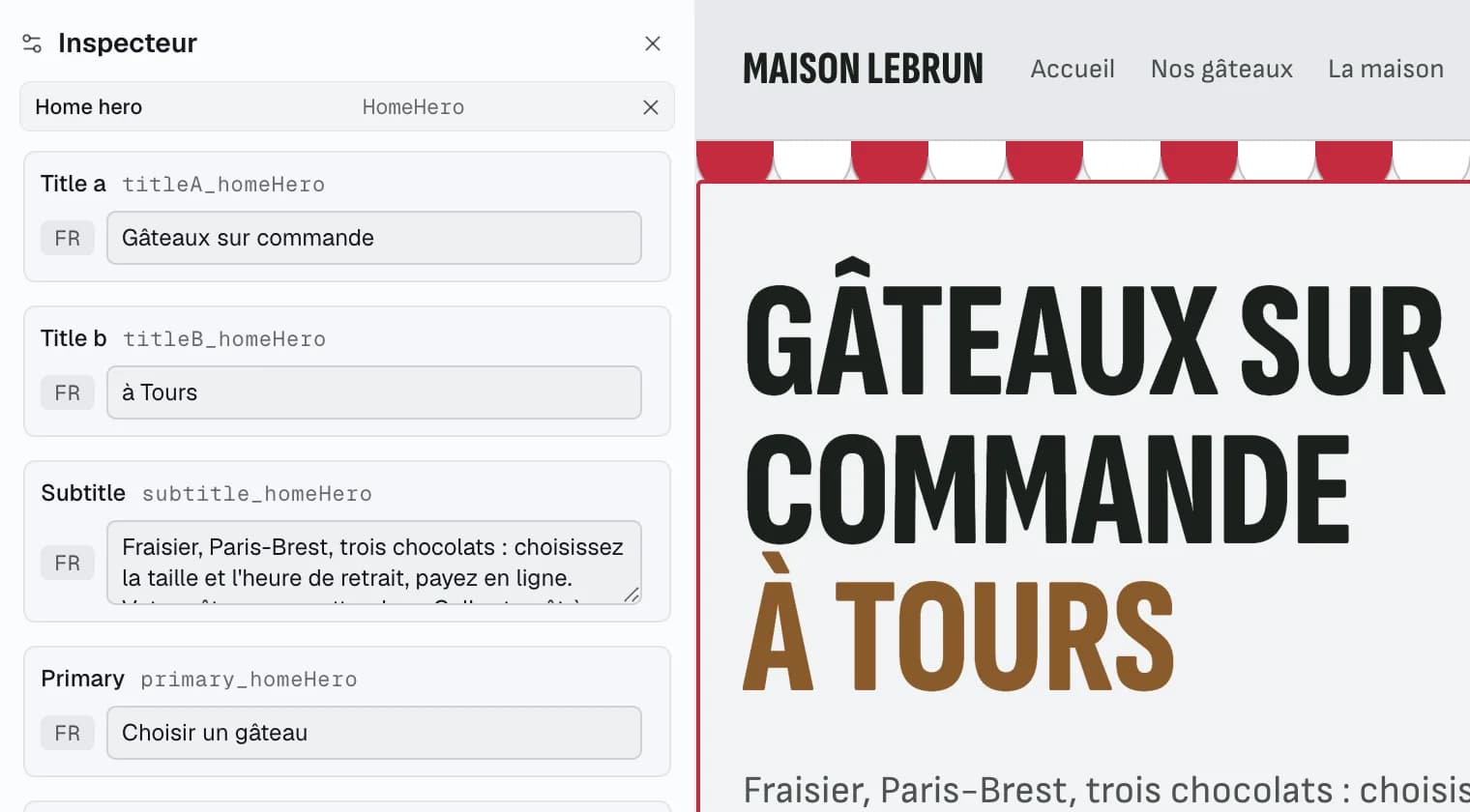
In the Workshop, clicking a block opens it in the Inspector: each of its texts with its key, one value per language. The Studio fills them with your words, you rework them here.
The library, aisle by aisle.
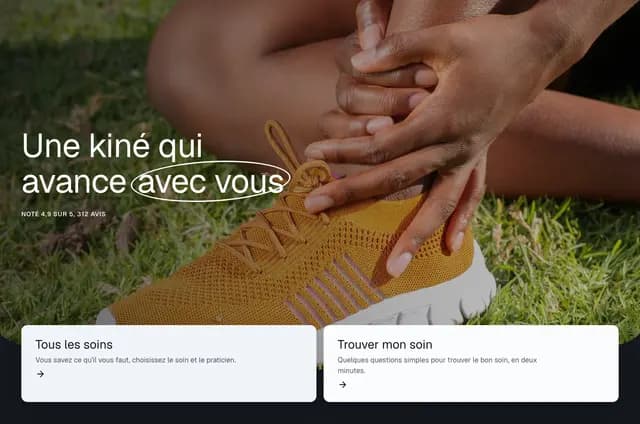
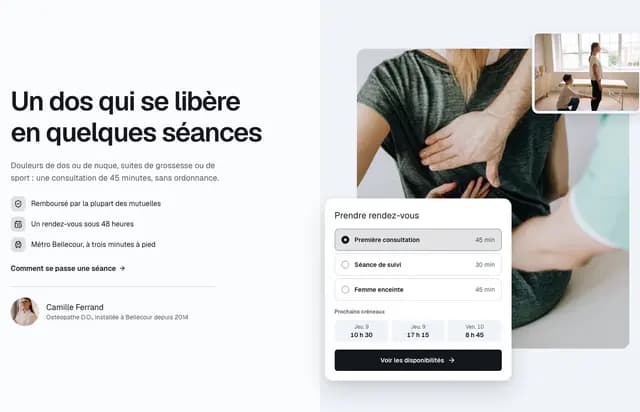
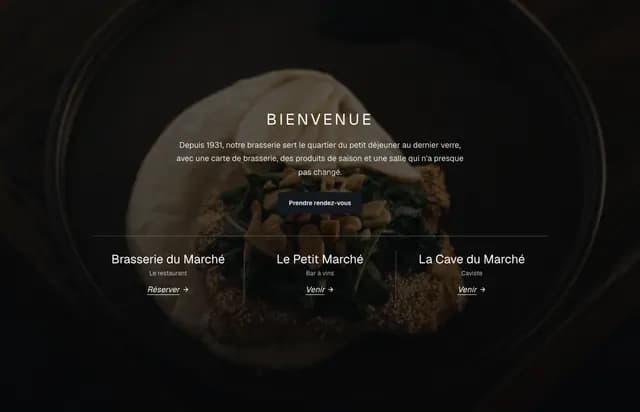
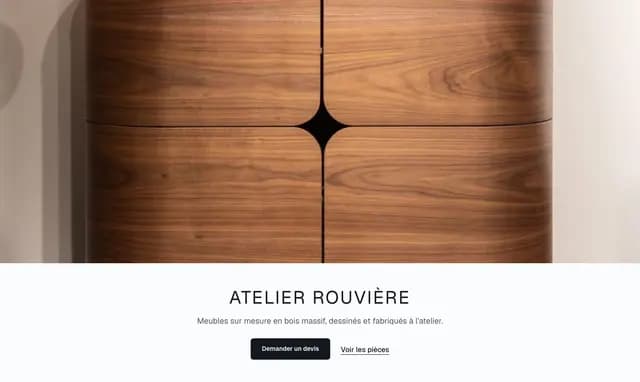
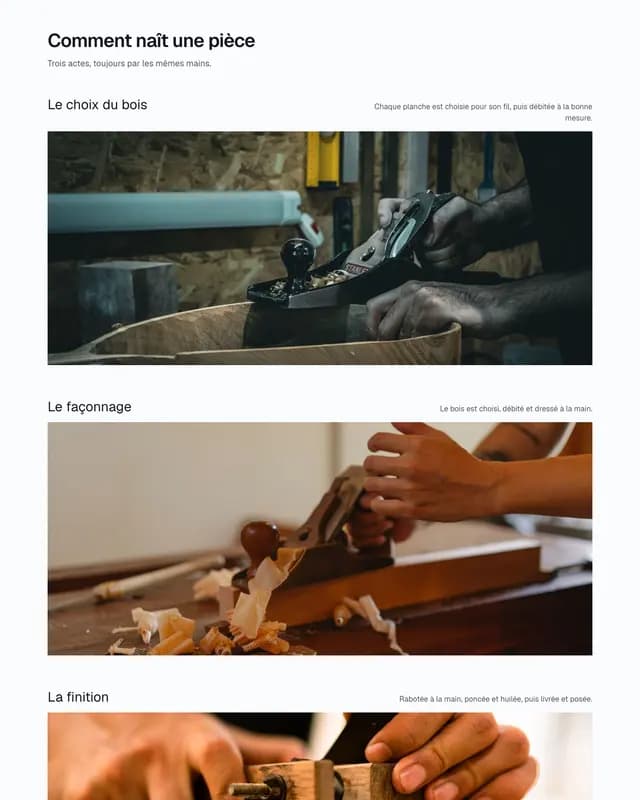
The 516 blocks of the Kubbler library, sorted as in the Workshop's Add panel. Each aisle shows a few, rendered under this site's brand with their demo copy: placed in a project, they take its brand kit and its words.
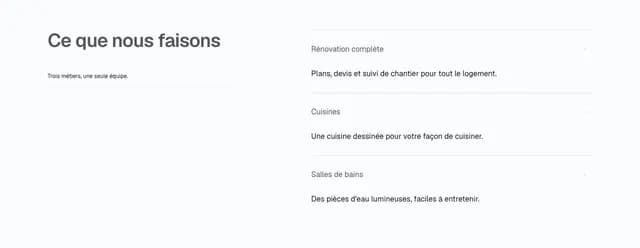
Heroes
69 blocks



Blocks
299 blocks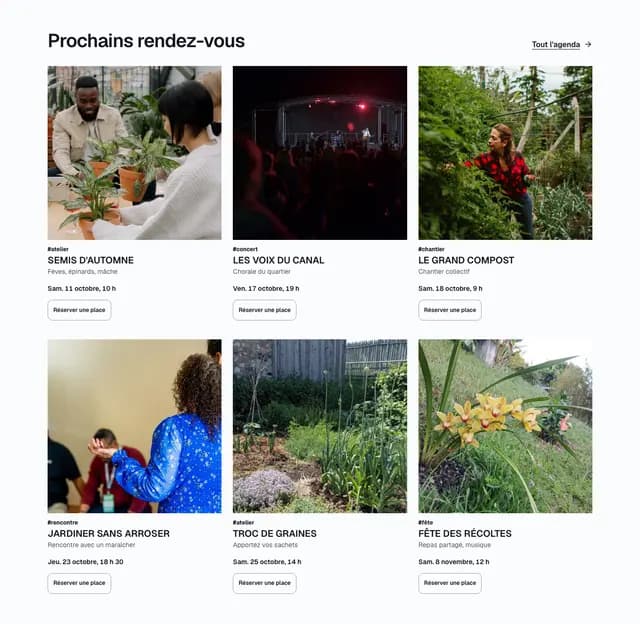
E-commerce
16 blocks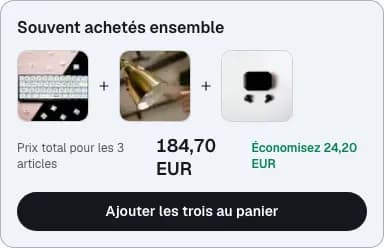
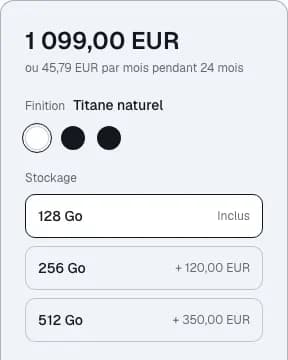
Marketing
12 blocks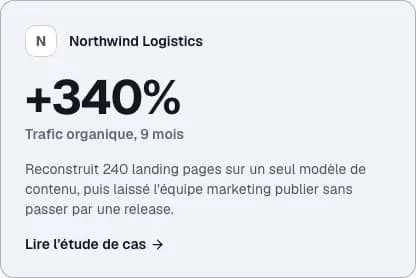
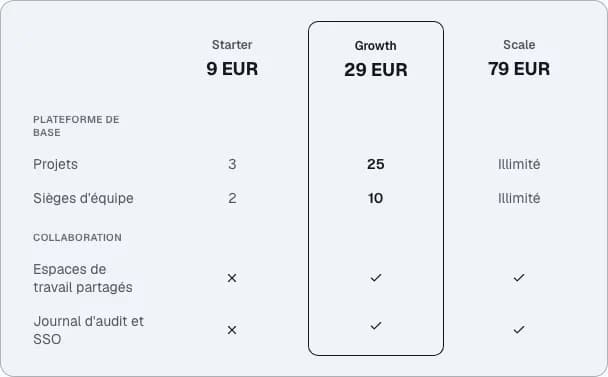
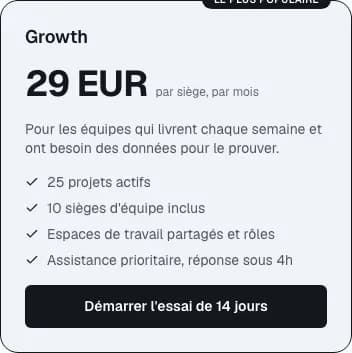
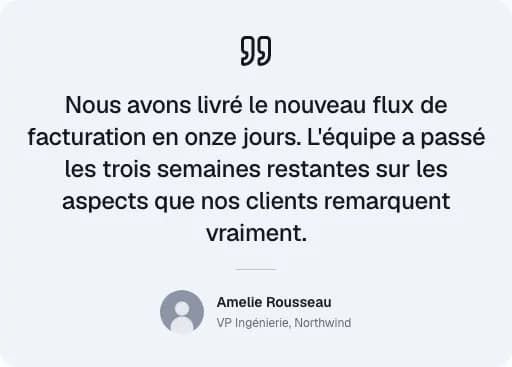
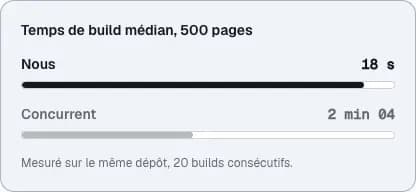
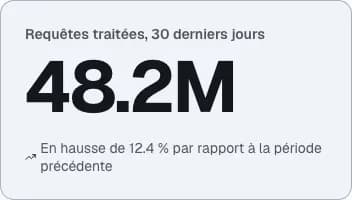
Blog
14 blocks


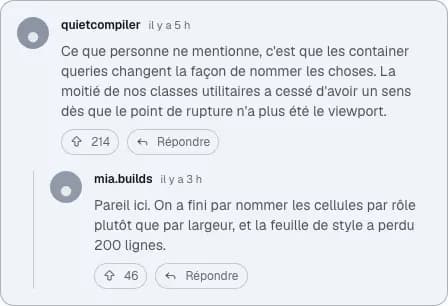
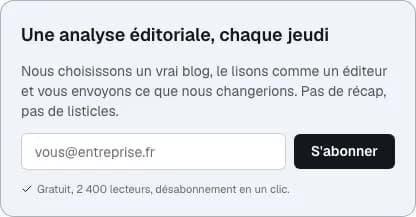
Components
40 blocks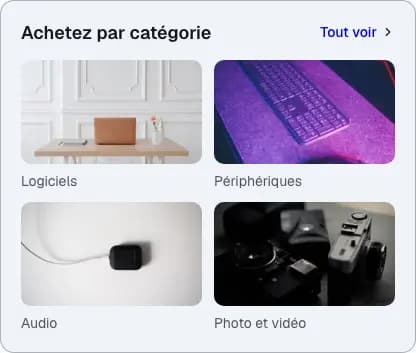
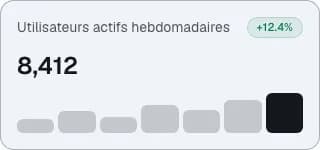
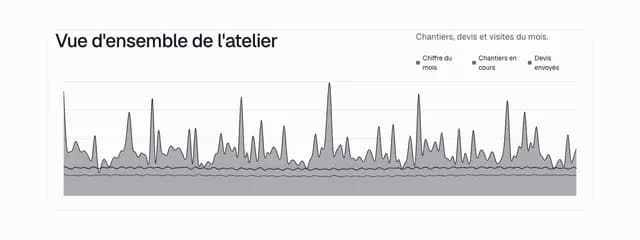
Dashboards
16 blocks
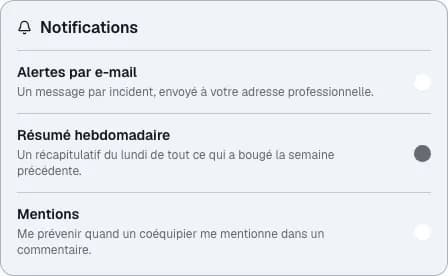
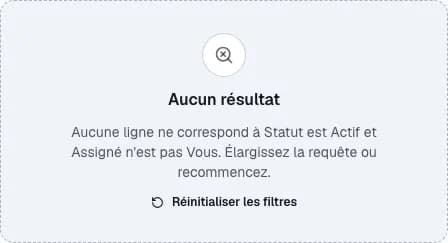



Navigation bars
30 blocks



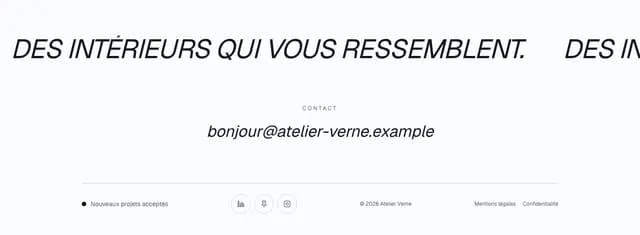
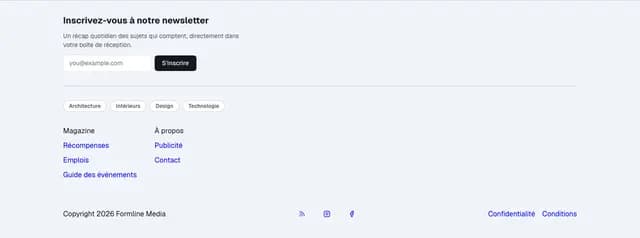
Footers
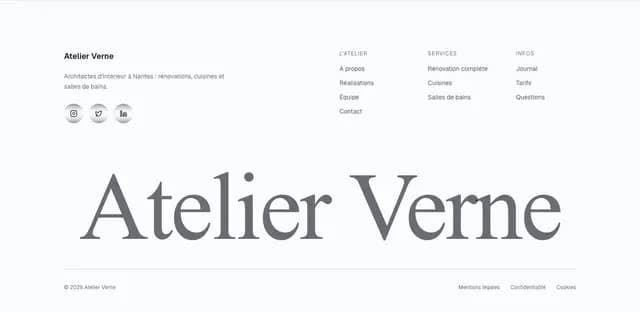
18 blocks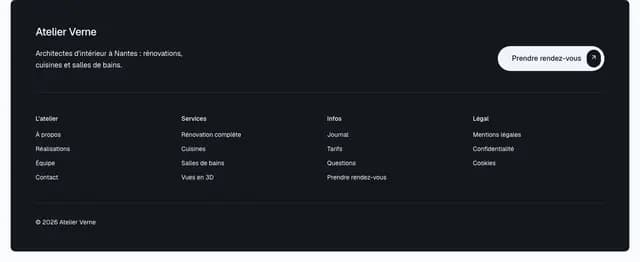
Blocks that act, read in plain words.
A cart, a booking, a table you can filter: these blocks have a state, computations, validations and actions. All of it is written as data, read by an engine shared by every project, and reads back in the Workshop.
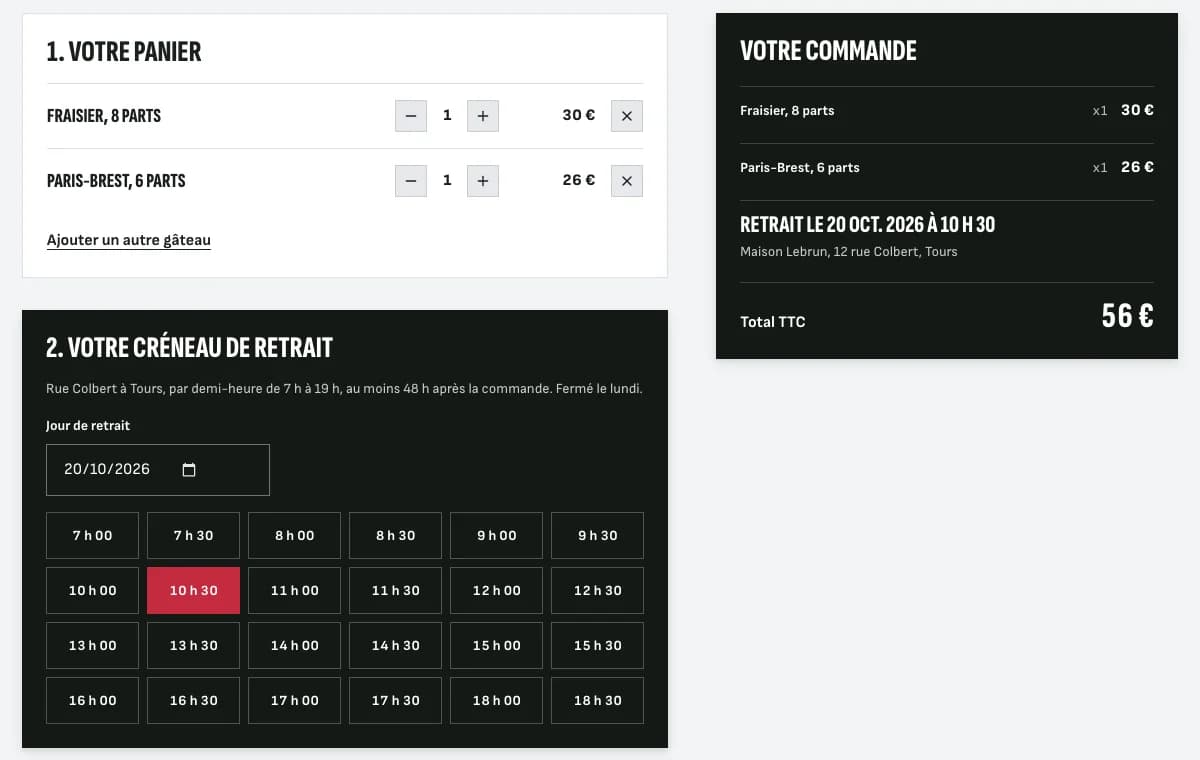
A block with a state
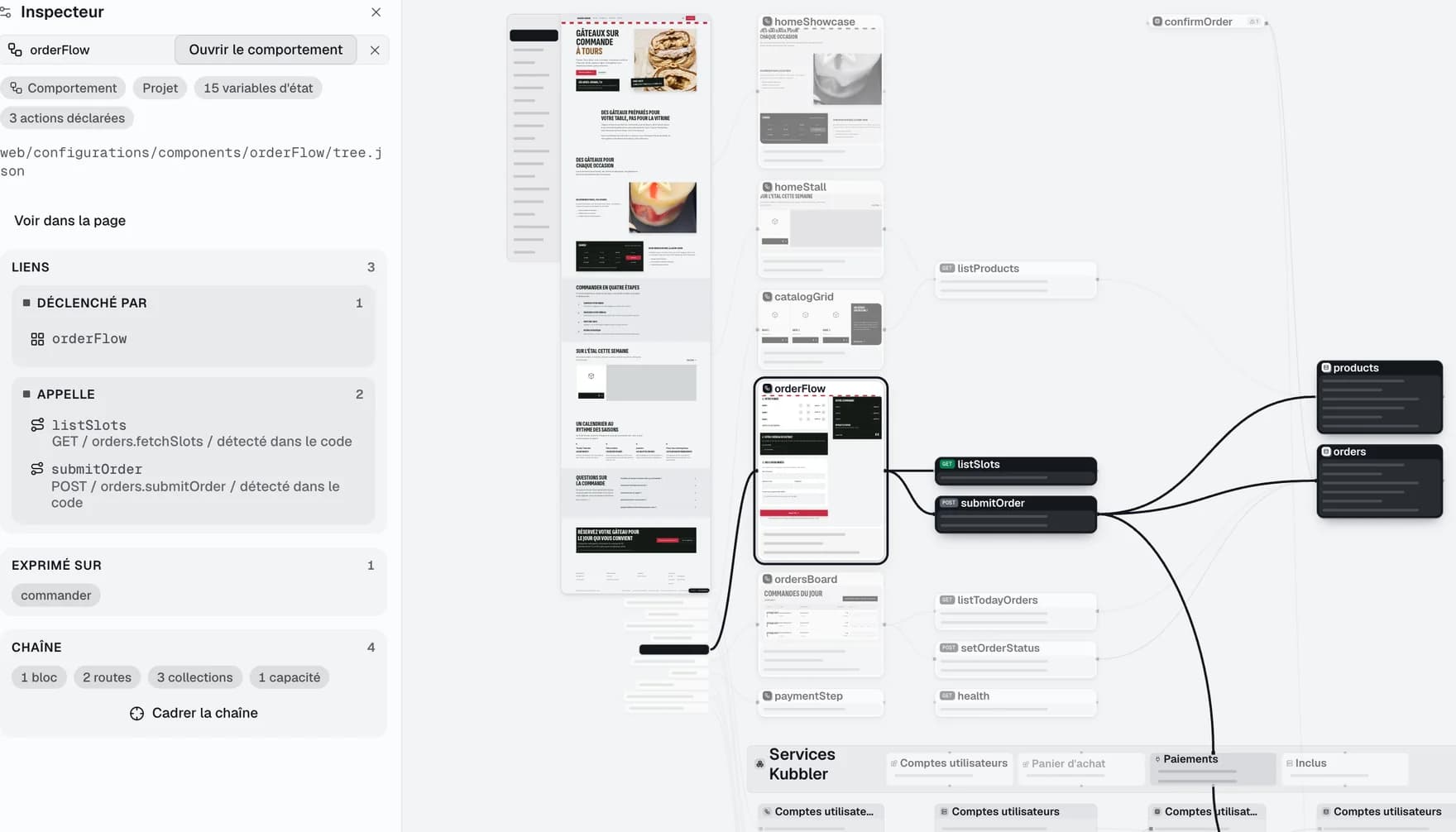
The order block of a pastry shop demo: the cart, the pick-up slot, the summary. Its shape, texts, state, computations, validations and actions live in a single file.
Read in plain words
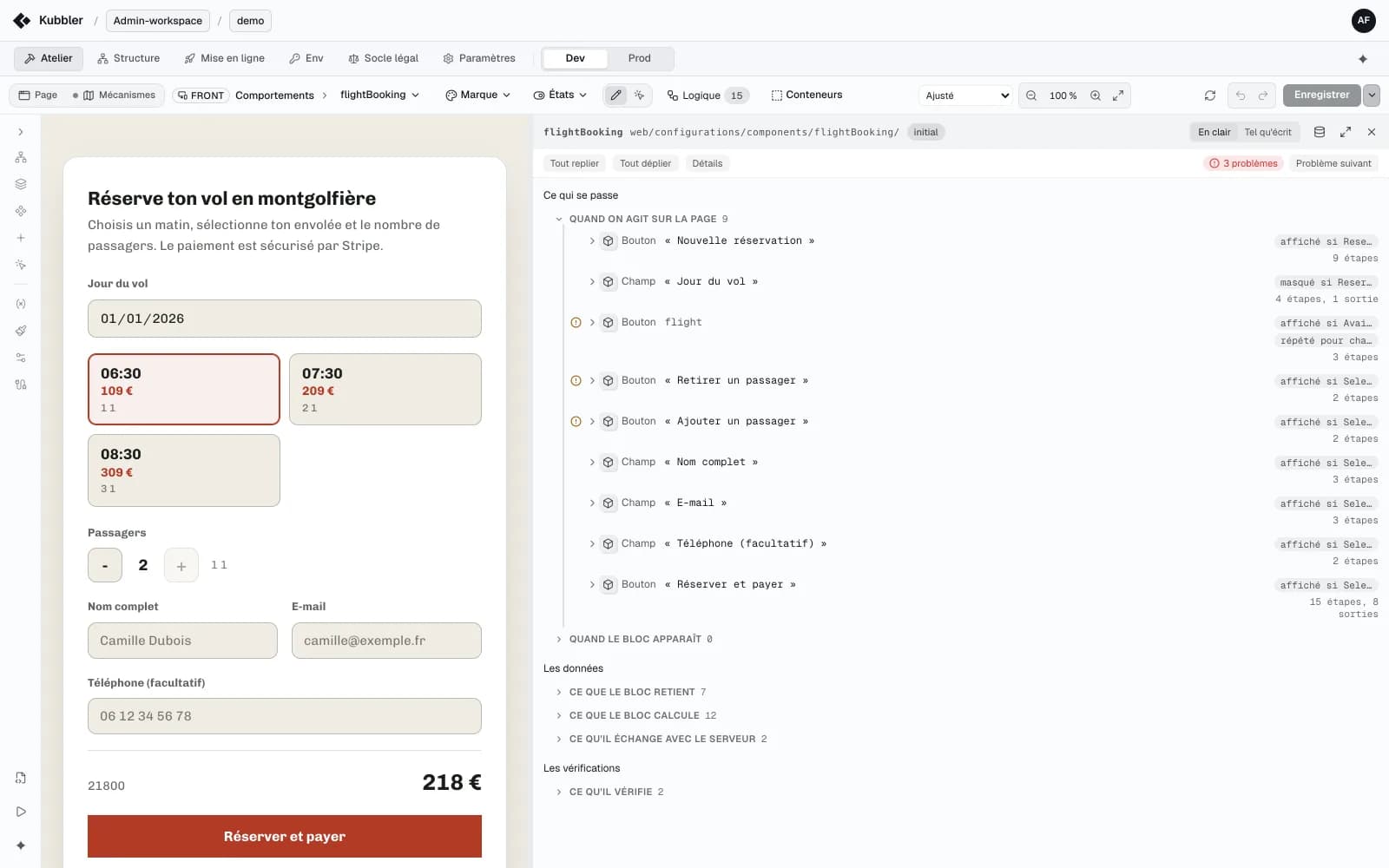
In the Workshop, a block's behavior reads as sentences: what happens when you act on the page, what the block keeps, what it computes, what it checks. Or in its code, as you prefer.
Wired to data
The Mechanisms show what the block calls: its actions, the server routes they reach, and the collections where orders land.